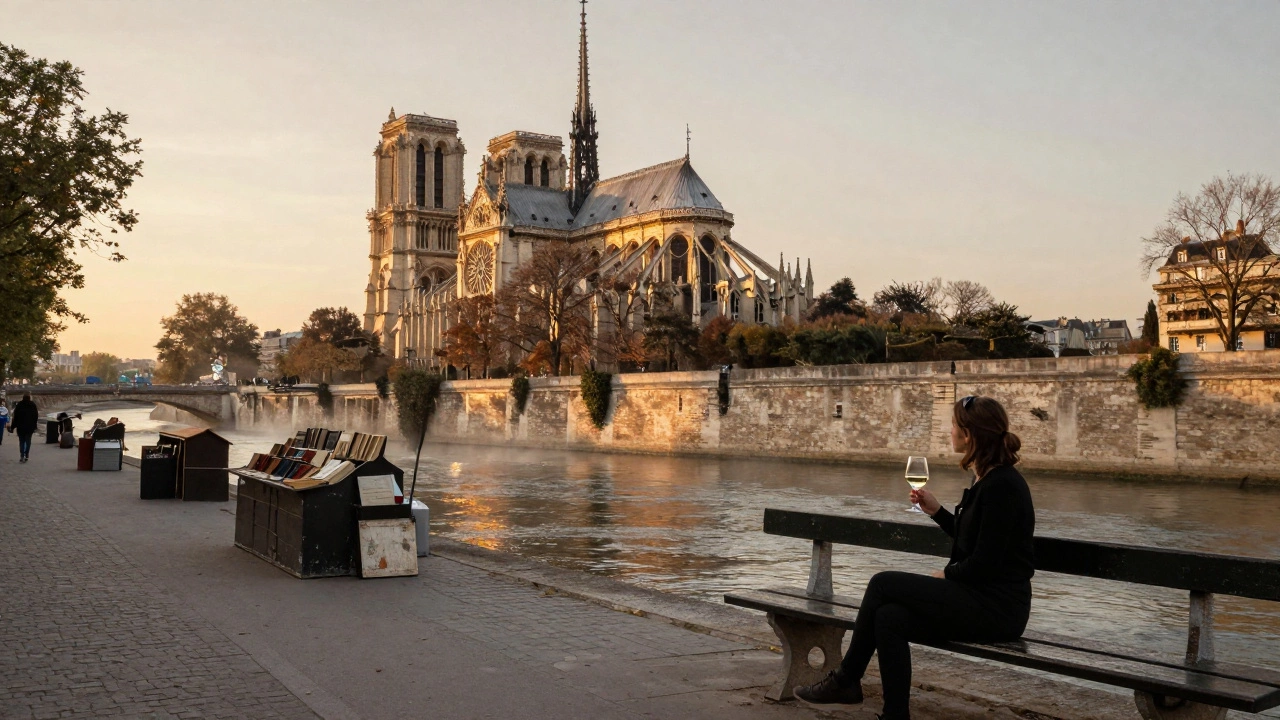
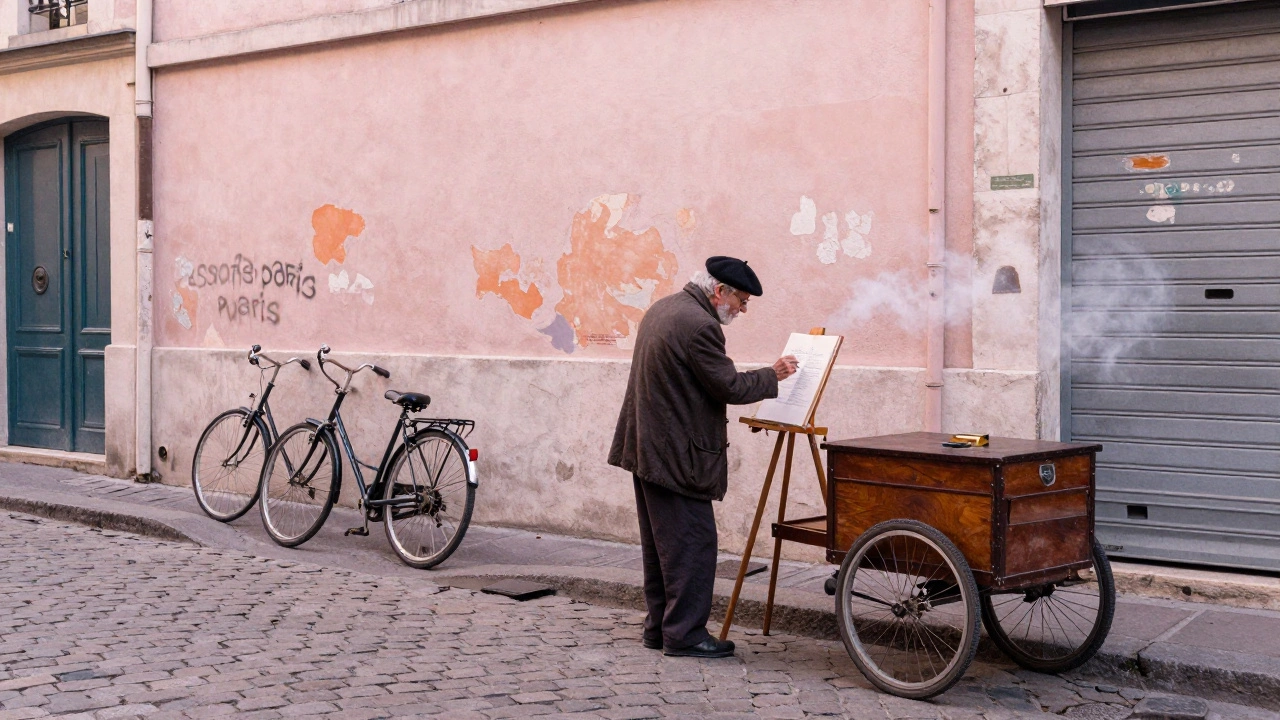
Paris isn’t just the City of Light-it’s a place where every cobblestone street holds a story, and every corner smells like fresh bread and history. The Eiffel Tower isn’t just an icon; it’s the skyline’s heartbeat, standing tall since 1889, watched over by millions who come not just to see it, but to feel it. The Seine winds through the city like a silver ribbon, reflecting the golden glow of Notre-Dame and the quiet elegance of bookstalls along its banks. Walk through Montmartre in the early morning, and you’ll find artists setting up their easels where Picasso once painted, and the scent of roasted chestnuts drifting from a corner cart. This isn’t a postcard. This is real life, lived slowly, deliberately, beautifully.
Some travelers look for more than just views. They want connection, even if it’s fleeting. One quiet evening in the 16th arrondissement, a woman told me she’d booked an escoet girl paris experience-not for the thrill, but because she was lonely, and Paris, for all its crowds, can feel isolating. She didn’t want a tour. She wanted someone to share a glass of wine with, to laugh at bad French, to feel seen. It wasn’t about sex. It was about presence.
Paris has always been a magnet for those seeking something beyond the ordinary. In the 1920s, it drew Hemingway, Fitzgerald, and Gertrude Stein-not because it was safe, but because it was free. Today, it still draws people who crave authenticity over polish. You’ll find it in the tucked-away patisseries in Le Marais, where the owner remembers your name and the exact way you like your croissant warm. You’ll find it in the silent corners of the Luxembourg Gardens, where old men play chess under chestnut trees, and no one rushes. You’ll find it in the Métro, where strangers nod at each other without speaking, a silent pact of shared survival in a city that never sleeps.
History That Walks With You
Paris doesn’t keep its past locked away in museums. It wears it like a well-tailored coat. The Louvre’s glass pyramid might be modern, but the stone beneath it is centuries old. The streets of Saint-Germain-des-Prés still echo with the voices of Sartre and de Beauvoir debating philosophy in café smoke. Even the graffiti on the walls of Belleville carries layers-some political, some poetic, some just someone’s name scribbled in haste, left behind like a whisper.
Walk the Left Bank and you’ll pass the Sorbonne, where students still argue about literature in broken English and flawless French. Stop by the Shakespeare and Company bookstore-it’s been open since 1951, and the owner still gives out free tea to writers who need it. The building itself survived two world wars, and the shelves still hold first editions of books that changed the world. This isn’t nostalgia. It’s continuity.
The Hidden Beauty of Everyday Paris
Most tourists stick to the big sights. But the real magic is in the small things. The way the light hits the Seine at 5:17 p.m. in October. The sound of a single accordion playing “La Vie en Rose” outside a bakery on a Tuesday. The old woman who sells chestnuts from a cart near the Luxembourg and always slips an extra one into your bag if you smile.
Head to the Canal Saint-Martin on a Sunday. You’ll see locals picnicking on the grass, dogs chasing sticks, kids jumping off the stone bridges into the water. No one’s taking photos. No one’s trying to impress anyone. They’re just there. Living. And that’s the kind of Paris most guidebooks never mention.
Food That Doesn’t Try Too Hard
Parisian food isn’t about Michelin stars. It’s about butter, salt, and time. A simple baguette from a boulangerie with a red-and-white striped awning costs less than €2 and tastes better than anything you’ll find in a fancy restaurant. The cheese counter at Fromagerie Quatrehomme in the 11th arrondissement doesn’t have a website. It has a man who knows exactly which Camembert you should take home-and how to eat it.
Try a tartine at L’Avant Comptoir. Just bread, butter, and sea salt. No frills. No menu. Just a counter, a few stools, and a glass of natural wine. The chef doesn’t speak English. He doesn’t need to. You’ll understand the taste.
When the City Feels Heavy
Paris isn’t always perfect. Rain falls for days in November. The Métro breaks down. Tourists crowd the sidewalks. Sometimes, the city feels like it’s too much. That’s when you need to disappear.
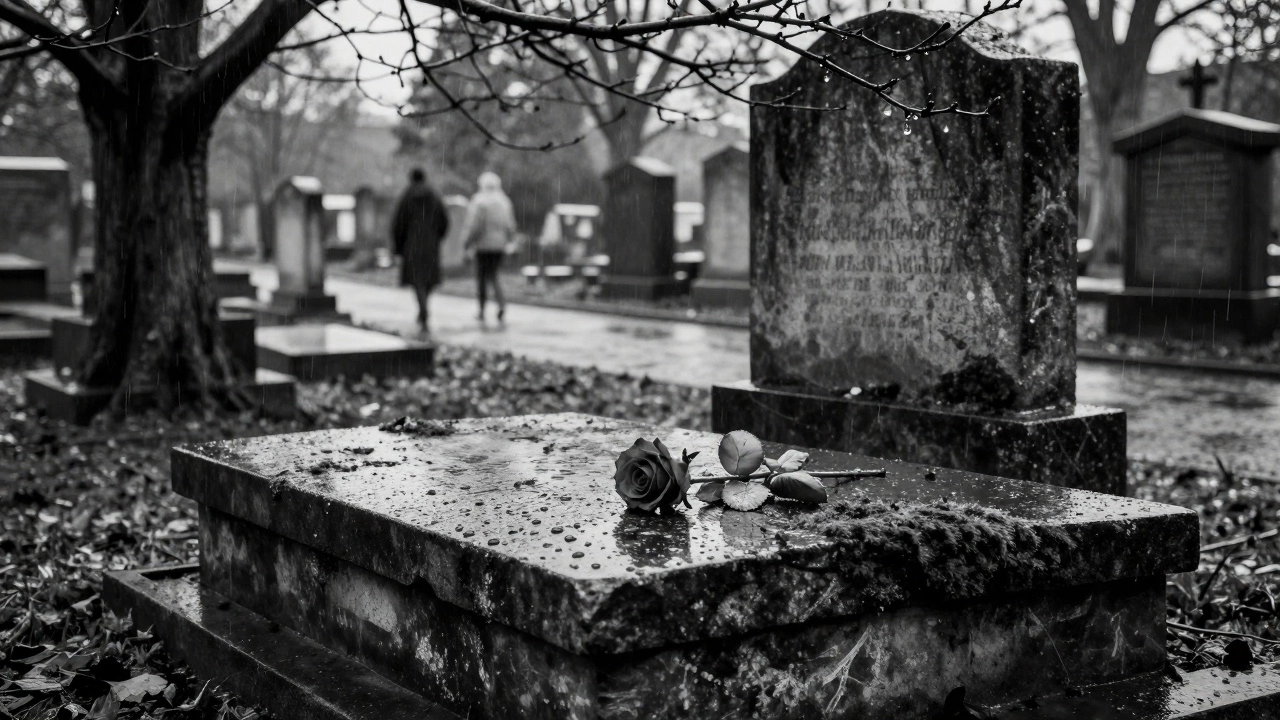
Go to the Père Lachaise Cemetery. It’s not just for Jim Morrison and Oscar Wilde. It’s for the quiet ones-the mothers who lost children, the poets who wrote in silence, the lovers buried side by side with nothing but a single rose on their tomb. Walk there on a gray afternoon. No one will bother you. The trees will whisper. The stones will hold your silence.
Or find a small church like Saint-Sulpice and sit in the back pew. Light a candle. Don’t pray. Just breathe. Paris has a way of holding space for grief, for joy, for nothing at all.
The Quiet Truth About Paris
People come to Paris looking for romance. They leave with something deeper. Maybe it’s the realization that beauty doesn’t need to be loud. Maybe it’s the understanding that loneliness can be shared-even with strangers. Or maybe it’s the memory of a single moment: a child laughing in a park, a dog sleeping on a bench, a street musician playing a tune you’ve never heard but somehow already know.
Paris doesn’t give you what you ask for. It gives you what you didn’t know you needed. And sometimes, that’s enough.
There are moments when the city feels like it’s whispering secrets only the tired and the curious can hear. One night, near the Place des Vosges, I saw a woman sitting alone on a bench, staring at the fountain. She wasn’t crying. She wasn’t smiling. She was just there. And beside her, on the ground, was a small, crumpled note. I didn’t read it. But I saw the words: esxorte paris. It wasn’t an ad. It was a question. A plea. A memory.
Later, I passed a café where a man sat with a woman who wasn’t his wife. They didn’t hold hands. They didn’t kiss. They just talked-slowly, carefully, like they were rebuilding something broken. The waitress brought them two espressos and left without a word. No one judged. No one stared. In Paris, some things are understood without being spoken.
And then there’s the night I walked past a doorway on Rue des Martyrs and heard laughter-real, unfiltered laughter-from inside. I didn’t go in. But I stood there for a minute, listening. A voice said, escorte sexe paris. It wasn’t loud. It wasn’t crude. It was just a phrase, tossed out like a coin into a well. Maybe it meant something. Maybe it meant nothing. Either way, it was part of the city’s rhythm.
What to Do When You Leave
You won’t forget Paris. Even if you try. You’ll dream about the smell of rain on old stone. You’ll miss the way the light falls across the Seine at dusk. You’ll wonder why no one in your hometown ever smiles at strangers the way they do here.
Bring back a book from Shakespeare and Company. A bar of chocolate from La Maison du Chocolat. A postcard of a quiet street you never knew existed. And if you’re brave, write a letter to someone you haven’t spoken to in years. Paris has a way of making you remember what matters.